



Какие отрасли будут определять спрос на литье алюминия под давлением в 2026–2030 годах?
2026-09-28 17:58
Несмотря на умеренные темпы роста, этот рынок менее чувствителен к краткосрочным экономическим циклам. Он обеспечивает стабильный поток заказов для литейных заводов, особенно для предприятий, специализирующихся на изготовлении отливок на заказ средних и малых партий. Для таких компонентов литье под высоким давлением обеспечивает конкурентоспособную стоимость, когда годовой объем достигает тысяч изделий. Обслуживание пресс-форм проще, а стандарты контроля пористости менее строгие, чем для деталей аккумуляторных батарей электромобилей. Модификация полости пресс-формы также проще, когда заказчики корректируют архитектурный дизайн. По мере продолжения глобальных инвестиций в инфраструктуру этот сектор останется важным дополнительным рынком для поставщиков алюминиевого литья под давлением в период с 2026 по 2030 год.
В период с 2026 по 2030 год мировая индустрия литья алюминия под давлением претерпит структурную трансформацию. Рост, обусловленный традиционным машиностроением и автомобилями с двигателями внутреннего сгорания, сойдёт на нет, а пять отраслей, включая электромобильность, системы хранения энергии, промышленную автоматизацию, телекоммуникационную электронику и архитектурную фурнитуру, станут основными опорными секторами спроса. Электромобильность и системы хранения энергии представляют собой быстрорастущие рынки с большими возможностями и строгими техническими ограничениями, в то время как автоматизация, электроника и строительная фурнитура обеспечивают диверсифицированные и стабильные заказы.Для производителей литья под давлением получение новых заказов требует постоянных инвестиций в технологии пресс-форм, особенно в точное проектирование полостей пресс-форм, моделирование процессов и контроль пористости. Освоение процессов литья под высоким давлением и гигалитражного литья позволит выделить конкурентоспособных поставщиков среди низкотехнологичных литейных предприятий. Экологичность и соответствие углеродным нормам постепенно станут основными требованиями для международных покупателей. Производители, способные адаптировать марки сплавов, оптимизировать охлаждение пресс-форм и сбалансировать качество, стоимость и сроки поставки, займут наибольшую долю рынка в этом пятилетнем цикле бурного развития алюминиевого литья под давлением.. Aluminum high pressure die casting has long been the preferred manufacturing route for mass-produced complex metal parts, offering excellent dimensional consistency, high production speed, and favorable thermal conductivity compared with iron or steel alternatives. Over the five-year window from 2026 to 2030, the demand landscape for aluminum die cast components will be reshaped by decarbonization policies, electrification trends, and advances in giga-casting technology. While traditional sectors such as fuel-powered automotive and general machinery will gradually mature, five key industries will become the primary growth engines for aluminum die casting manufacturers worldwide. Foundries and mold makers need to adjust production capacity, alloy selection and die cavity design to capture new orders, while controlling typical casting defects such as porosity to satisfy strict quality specifications.
1. Electric Mobility: The Largest Growth Engine for Aluminum Die Casting
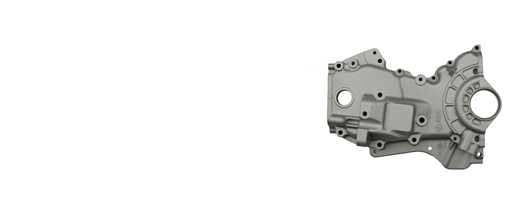
The electric vehicle (EV) sector will continue to dominate aluminum die casting consumption between 2026 and 2030, far exceeding the demand from traditional internal combustion engine vehicles. The core advantage of aluminum lies in lightweighting: reducing vehicle weight directly lifts driving range, cuts energy consumption and improves crash safety performance. The breakthrough of giga-casting technology completely changes the manufacturing logic of vehicle body structures. Automakers merge dozens of stamped and welded metal pieces into one large integrated die cast part, dramatically cutting assembly labor, reducing tooling sets and shortening production cycles. Major EV OEMs are investing heavily in large tonnage die casting machines, creating massive demand for large-size aluminum castings including battery enclosures, motor housings, rear underbody assemblies and structural connection nodes.
For die casting foundries, this trend brings both opportunities and challenges. Large high pressure die casting parts require advanced vacuum systems inside the mold to eliminate trapped gas and minimize porosity. Poor mold cooling design or improper gating system layout can easily create internal shrinkage holes, which will fail strict leak and pressure testing for battery housings. In addition, automotive customers enforce strict carbon footprint rules. More buyers prefer castings made from recycled aluminum alloys, pushing die casters to build closed-loop scrap recycling workflows. Commercial electric vehicles, electric buses and electric construction machinery also add incremental demand. Many component suppliers expand their factory capacity to serve global EV OEMs and tier-one automotive buyers across Asia, Europe and North America. Even though demand for traditional engine and transmission castings from gasoline vehicles declines year by year, the sharp rise in per-vehicle aluminum usage for EVs fully offsets this loss and drives continuous growth for the whole aluminum die casting market.
2. Energy Storage & Renewable Energy: Fast-Growing New Demand Source
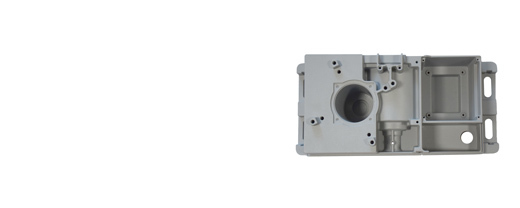
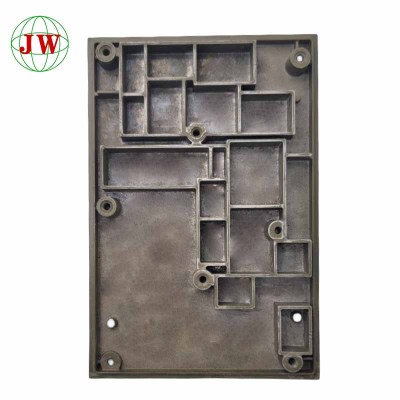
Energy storage and renewable energy will become the second most important driver for aluminum die casting demand from 2026 to 2030. Global governments push carbon reduction targets, which accelerate installation of utility-scale battery energy storage stations, residential energy storage systems, wind power equipment and photovoltaic power stations. Aluminum die cast components are widely used in inverter housings, energy storage battery trays, power junction boxes and wind turbine auxiliary parts. These parts require good heat dissipation, corrosion resistance and sufficient structural stiffness to operate reliably under long-term outdoor working conditions.
Energy storage products have special requirements for casting quality. The battery tray must withstand impact, vibration and temperature fluctuation. Any internal porosity inside the casting may cause liquid leakage risk and safety hazards. Unlike automotive large structural castings, many energy storage components are medium-sized and mass-produced, suitable for mature high pressure die casting production lines. The market growth rate of energy storage die cast parts is projected to outpace many traditional industries. At the same time, the whole supply chain is paying more attention to CBAM carbon compliance, so die casting factories must record energy consumption and raw material carbon data for every batch of castings. For mold designers, the die cavityneeds optimized cooling channels to stabilize solidification and reduce cycle time, which helps manufacturers lower unit cost for large-volume energy storage orders.
3. Industrial Automation & Robotics: Demand for Precision Die Cast Components
Global investment in smart factories and industrial robots maintains steady growth, bringing stable demand for small and medium precision aluminum die cast parts. Robot joint housings, reducer shells, sensor brackets, pump and valve bodies all rely on aluminum die casting to balance light weight and mechanical strength. Humanoid robots, as an emerging sub-sector, will also release new demand from 2027 onward. Each robot needs multiple thin-wall aluminum cast structural parts, requiring tight dimensional tolerance and smooth surface finish.
This industry has stricter precision requirements than general consumer goods. Buyers often request post-processing such as CNC machining after high pressure die casting. The casting must have low porosity to avoid oil leakage and guarantee mechanical stability during high-speed repeated movement. Mold design becomes critical: the die cavity must be manufactured with high machining accuracy, and the gating and venting structure must be carefully simulated to prevent gas trapping and cold shut defects. Compared with automotive or energy storage projects, automation projects usually have smaller batch sizes but higher profit margins. Many die casting factories develop flexible production cells to switch between different molds quickly, which helps them win multiple orders from automation equipment manufacturers.
4. Telecommunication & Consumer Electronics: Thin-Wall Casting Market Expansion
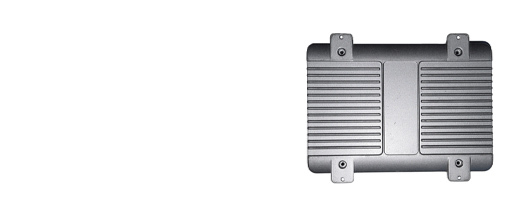
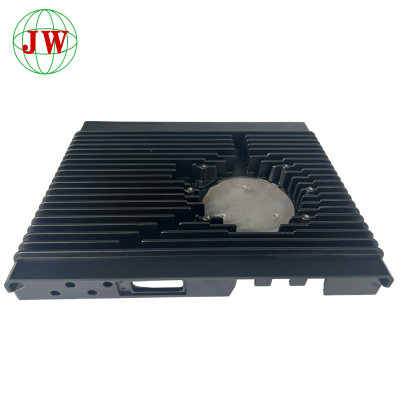
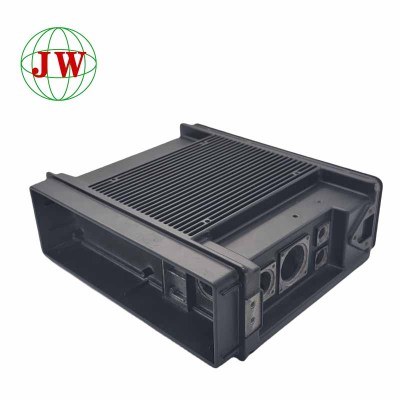
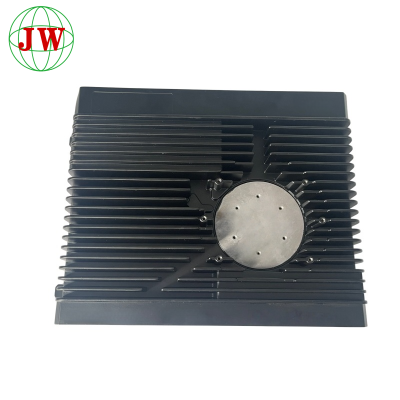
The telecom and consumer electronics sector will keep generating consistent demand for thin-wall aluminum die cast housings during 2026–2030. 5G and next-generation communication base stations need aluminum cast heat sinks and equipment housings, which leverage aluminum’s excellent thermal conductivity to dissipate heat generated by power modules. High-end consumer electronics, including audio equipment, smart home controllers and portable power devices, also adopt aluminum die cast shells for better appearance and structural rigidity.
Thin-wall die casting is technically demanding. Molten aluminum alloy must fill the thin sections of the die cavity rapidly before solidification. Improper injection speed or vent design will easily lead to incomplete filling, cold lines and porosity. Many electronics customers require secondary surface treatment, including powder coating, anodizing and painting. Surface defects on die castings will increase rejection rate and raise production cost. This market segment features diverse product types and frequent design revisions. Die casters need short mold lead time and flexible trial production capability. Although the weight of each single casting is relatively small, the huge total shipment volume of consumer and telecom products supports stable revenue for many specialized die casting manufacturers.
5. Building, Architecture & Industrial Hardware: Stable Baseline Demand
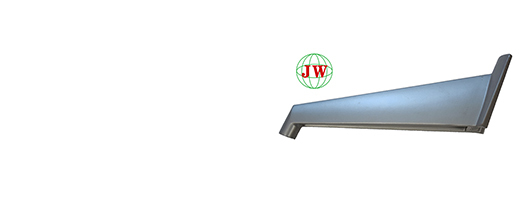
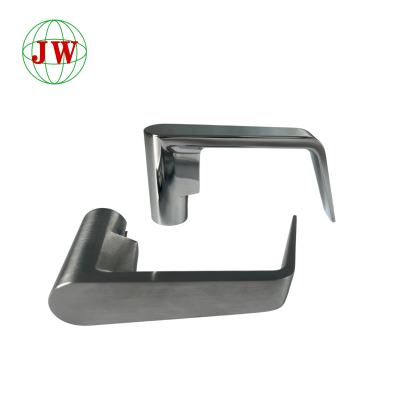
The construction and architectural hardware industry forms a reliable baseline demand for aluminum die casting in the forecast period. Custom architectural lighting components, curtain wall fittings, door and window hardware, pump and valve bodies for building water systems all adopt aluminum die cast parts. These products prioritize corrosion resistance and moderate mechanical performance, with relatively loose tolerance requirements compared with automotive or robot parts.
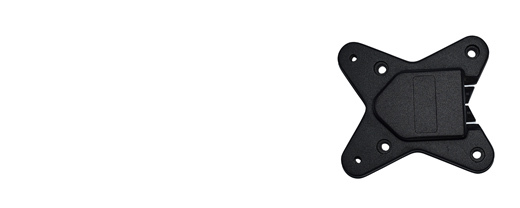
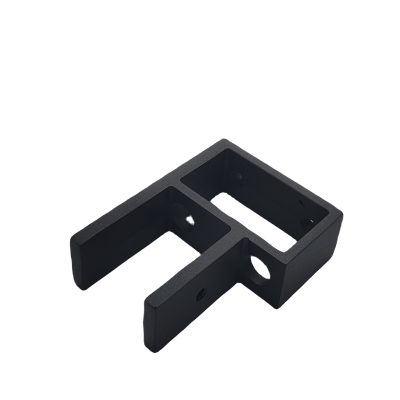
While growth rate is moderate, this market is less sensitive to short-term economic cycles. It provides steady order flow for die casting foundries, especially for factories focusing on medium and small batch custom castings. For these components, high pressure die casting delivers competitive cost when annual volume reaches thousands of pieces. Mold maintenance is simpler, and the standard of porosity inspection is less rigorous than EV battery parts. The die cavity modification is also easier when customers adjust architectural design. As global infrastructure investment continues, this sector will remain a vital complementary market for aluminum die casting suppliers between 2026 and 2030.
Conclusion
From 2026 to 2030, the global aluminum die casting industry will experience a structural transformation. The old growth driven by traditional machinery and fuel vehicles will fade, while five industries including electric mobility, energy storage, industrial automation, telecom electronics and architectural hardware will become the core demand pillars. Electric mobility and energy storage represent high-growth, high-opportunity markets with strict technical thresholds, while automation, electronics and construction hardware supply diversified and stable orders.
For die casting manufacturers, winning new orders requires continuous investment in mold technology, especially die cavityprecision design, process simulation and porosity control. Mastery of high pressure die casting and giga-casting processes will separate competitive suppliers from low-end foundries. Sustainability and carbon compliance will gradually become basic entry requirements for international buyers. Manufacturers who can adapt alloy grades, optimize mold cooling and balance quality, cost and delivery will capture the biggest market share in this five-year boom cycle of aluminum die casting
Новости по теме
Больше >-
![Вы обеспечите безопасное хранение нашей собственной оснастки для литья под давлением после завершения серийного производства?]()
Вы обеспечите безопасное хранение нашей собственной оснастки для литья под давлением после завершения серийного производства?
После завершения серийного производства принадлежащая заказчику **оснастка для литья под давлением** хранится в безопасном месте в соответствии с документированным процессом. Договорные и учетные записи уточняют право собственности, а сухое хранение с контролируемой температурой, использованием соответствующих стеллажей и подъемных механизмов предотвращает повреждения. Инструменты проходят очистку, сушку и обработку антикоррозийным составом, особое внимание уделяется **полости**, **стержню**, направляющим и каналам охлаждения. Полный **реестр оснастки** связывает идентификационный номер пресс-формы, версию чертежа и записи КИМ для обеспечения полной прослеживаемости. После повторной активации поставщики проводят **пробные запуски**, проверку размеров и пористости, а также планируют техническое обслуживание, такое как повторное покрытие или замена выталкивающих штифтов. Такой структурированный подход позволяет поддерживать принадлежащие заказчику пресс-формы в стабильном, воспроизводимом состоянии в течение многих лет.
-
![Как продлить срок службы алюминиевых литейных форм?]()
Как продлить срок службы алюминиевых литейных форм?
В этом отраслевом обзоре рассматриваются практические подходы к продлению срока службы алюминиевых **литьевых** форм. Анализируются основные виды отказов, включая термическую усталость, пайку и механические удары. Правильная ионная обработка стали для форм, стандартизированная термообработка и предварительная азотирование создают прочную основу для **оснастки**. Оптимизированные параметры литья под давлением, такие как температура формы, скорость впрыска и распыление разделительного агента, снижают термомеханическую нагрузку на **впрыск**. Строгая очистка, осмотр и профилактическое техническое обслуживание на месте позволяют выявлять мелкие дефекты на ранней стадии. Кроме того, взвешенное решение о ремонте или замене предотвращает чрезмерные инвестиции в сильно поврежденные формы. Соблюдение этих мер помогает литейным заводам стабилизировать качество литья, сократить время простоя и снизить общую себестоимость производства алюминиевых компонентов массового производства.
-
![Можете ли вы обеспечить матовое сатинированное покрытие из титанового золота на литых под давлением деталях?]()
Можете ли вы обеспечить матовое сатинированное покрытие из титанового золота на литых под давлением деталях?
В данной статье рассматривается вопрос о возможности получения матового сатинированного титаново-золотого покрытия на деталях, изготовленных методом литья под давлением. Высококачественная декоративная поверхность из сатинированного титаново-золотого покрытия в основном достигается за счет ПВД-покрытия после надлежащей предварительной обработки, включая сатинирование и очистку. Конечный внешний вид в значительной степени зависит от качества литейной основы; ионы сплава, конструкция оснастки и внутренняя пористость существенно влияют на выход готового изделия. К распространенным рискам относятся отклонения блеска от партии к партии, образование пузырьков из-за скрытой пористости и неравномерное покрытие, связанное с геометрией. Общая стоимость возрастает из-за оптимизации пресс-формы, герметизации, нанесения покрытия кистью и вакуумного напыления. Покупателям рекомендуется предоставлять физические эталонные образцы цвета и блеска, проверять прототипы на всех этапах процесса и определять четкие критерии приемки внешнего вида, а не полагаться на цифровые изображения, чтобы стабилизировать качество для массового производства декоративных литых компонентов.
-
![Как сбалансировать затраты на оснастку и себестоимость массового производства литых деталей по индивидуальному заказу?]()
Как сбалансировать затраты на оснастку и себестоимость массового производства литых деталей по индивидуальному заказу?
В литейной промышленности проекты по изготовлению деталей на заказ сталкиваются с неизбежным компромиссом между единовременными инвестициями в оснастку и текущими затратами на массовое производство. Многие заинтересованные стороны сравнивают только первоначальные предложения по оснастке, игнорируя риски на протяжении всего жизненного цикла, включая высокий процент брака, частое техническое обслуживание оснастки и дополнительную вторичную механическую обработку. В данной статье анализируются пять практических аспектов: логика амортизации основных затрат, оптимизация ДСМ на ранних этапах, ориентированное на объем количество инструментальной стали и полости, настройка процесса для сокращения времени цикла и повышения производительности литниковой системы, а также гибкие режимы коммерческого сотрудничества. Указывается, что дешевая оснастка часто приводит к скрытым потерям при массовом производстве. Рациональные решения требуют оценки общей стоимости владения, а не единовременных затрат, сопоставления технических характеристик оснастки с реальным объемом производства, чтобы производители и покупатели получали сбалансированные качественные и экономические выгоды от компонентов, изготовленных на заказ.
-
![Какую обработку поверхности вы применяете к полости литейной оснастки?]()
Какую обработку поверхности вы применяете к полости литейной оснастки?
В центре внимания этой статьи — решения по обработке поверхности полостей литейных форм под высоким давлением. В ней подробно рассматриваются пять ключевых разделов: жесткие условия работы в полости, четыре основные технологии защитных покрытий, способы устранения дефектов при серийном литье, правила подбора покрытия в зависимости от объема производства и припуска на обработку на станках с ЧПУ алюминиевых деталей, а также сравнение стоимости и срока службы каждого покрытия. Плазменное азотирование является базовой недорогой обработкой, в то время как покрытие ТД обеспечивает наилучшие антиадгезионные характеристики для серийного производства. ПВД подходит для отливок с глянцевой поверхностью. Отказ от покрытия полости снижает первоначальные затраты на оснастку, но приводит к появлению постоянных дефектов заготовки и дополнительным затратам на последующую обработку.
-
![Какую точность вы можете гарантировать для резьбовых соединений, полученных методом литья под давлением?]()
Какую точность вы можете гарантировать для резьбовых соединений, полученных методом литья под давлением?
В данной статье дается ответ на ключевой вопрос о гарантированных допусках резьбовых соединений при литье под давлением, разделяя допуски на три класса: коммерческие, прецизионные и сверхпрецизионные, адаптированные к различным сценариям сборки. Анализируются температура расплавленного алюминия, расположение и износ пресс-формы как основные факторы, влияющие на допуски в процессе литья под высоким давлением. Оптимизированная структура позиционирования и охлаждения литейной оснастки эффективно стабилизирует стандартные допуски. Предварительный анализ ДСМ позволяет избежать рисков, связанных со структурными допусками, путем проверки толщины стенок, зазоров и требований к сборке. Для сверхжестких допусков, выходящих за рамки возможностей чистого литья под давлением, используется послелитьевая обработка на станках с ЧПУ, включая нарезание резьбы и развертывание в нужном положении, для повышения точности. Завод предоставляет четкие иерархические стандарты допусков, полный контроль качества и предварительное подтверждение образцов для удовлетворения потребностей глобальных покупателей в сборке и производстве гальванических изделий.
-
![В чём разница между деталями, отлитыми под давлением из цинка и алюминия?]()
В чём разница между деталями, отлитыми под давлением из цинка и алюминия?
Между деталями, отлитыми из цинка и алюминия, существуют существенные различия. Цинковый сплав имеет более низкую температуру плавления, лучшую текучесть и меньшие потери при формовке, что идеально подходит для деликатной декоративной фурнитуры и подвижных деталей с низкой нагрузкой, но он склонен к ползучести при длительной нагрузке. Алюминиевый сплав легче, обладает большей прочностью и лучшей естественной коррозионной стойкостью, что делает его подходящим для несущих компонентов и изделий для наружного применения. Цинковые отливки хорошо подходят для гальванического покрытия, в то время как алюминиевые лучше адаптируются к напылению и анодированию. Выбор материала должен основываться на весе изделия, нагрузке, условиях эксплуатации, требованиях к внешнему виду и производственном бюджете.
-
![В чём разница между литьём алюминия под давлением и литьём в песчаные формы?]()
В чём разница между литьём алюминия под давлением и литьём в песчаные формы?
В данной статье сравниваются литье алюминия под высоким давлением и литье в песчаные формы по пяти ключевым параметрам. Литье под давлением использует многоразовые металлические формы с заполнением под высоким давлением, что обеспечивает высокую точность размеров, гладкую поверхность, высокую производительность и плотную внутреннюю структуру. Оно подходит для крупносерийного производства высокоточных легких промышленных деталей с низкой себестоимостью единицы продукции при массовых заказах. Литье в песчаные формы использует одноразовые песчаные формы и гравитационное заполнение, имеет низкую первоначальную стоимость, но низкую точность, шероховатую поверхность и низкую эффективность. Оно подходит для мелкосерийного изготовления прототипов и крупногабаритных алюминиевых компонентов. Производители должны выбирать подходящие процессы литья в соответствии с объемом заказа, требованиями к точности и реальными сценариями применения.
Получить последнюю цену? Мы ответим как можно скорее (в течение 12 часов)